
Now Reading: No Loud Threats, No Trade War: How Europe Quietly Outmaneuvered U.S. Tariff Pressure
-
01
No Loud Threats, No Trade War: How Europe Quietly Outmaneuvered U.S. Tariff Pressure

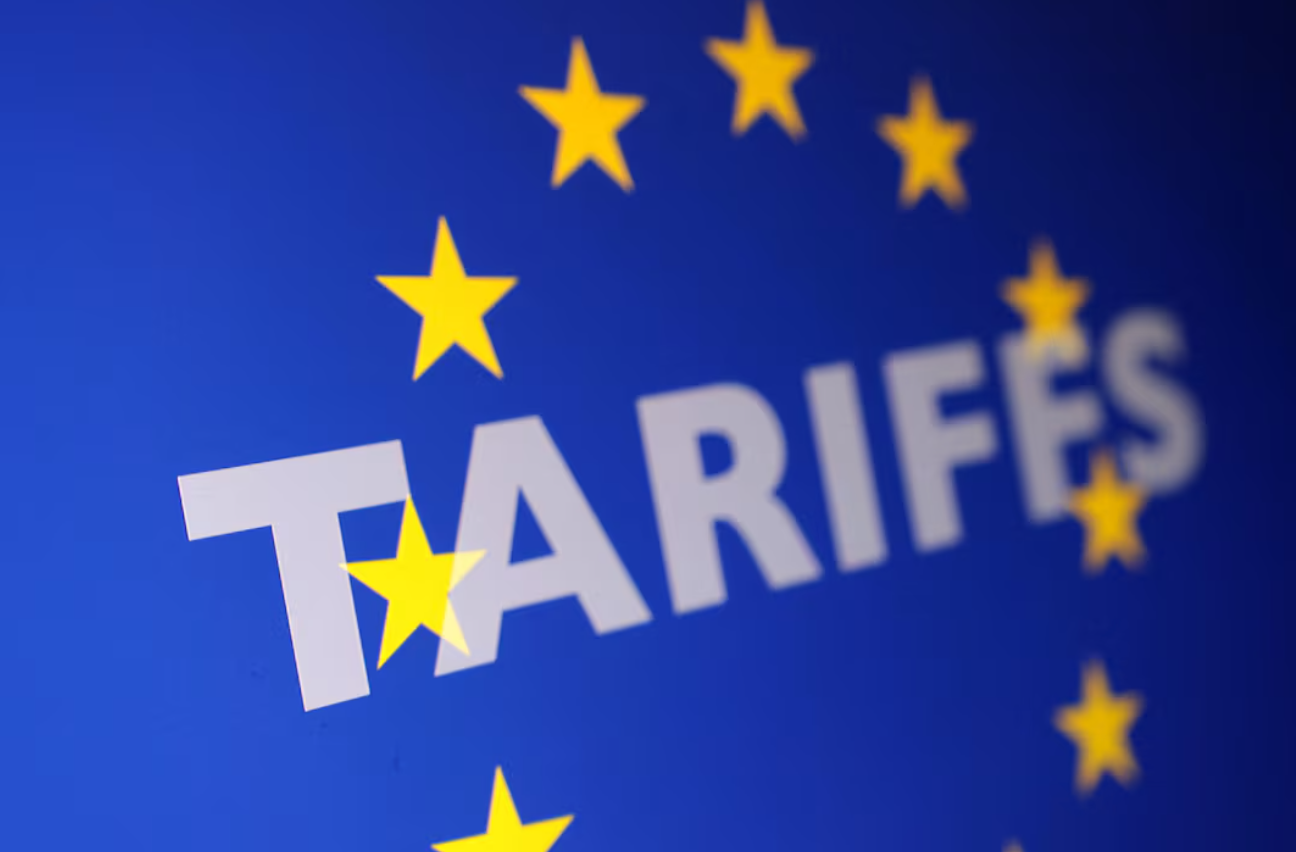
When tariff tensions escalated between the European Union and the United States, many analysts predicted a full-scale trade confrontation. Headlines warned of retaliation, market instability, and a prolonged economic standoff.
But instead of launching a dramatic counterattack, Europe chose a quieter — and arguably more strategic — response.
Behind the scenes in Brussels, policymakers focused not on escalation, but on repositioning.
🚀 A Response Without a Scandal
Rather than matching tariffs with tariffs in a highly visible clash, European leaders shifted the playing field. The strategy revolved around structural adaptation instead of emotional reaction.
Key elements included:
- Diversifying export destinations beyond the U.S.
- Accelerating trade agreements with alternative global partners
- Strengthening internal EU supply chains
- Providing targeted support to affected industries
By reducing dependence on specific U.S. markets in sensitive sectors, Europe softened the intended impact of American trade measures.
💶 The “Silent Strike” Strategy
Trade wars often hurt both sides. European officials understood that a loud retaliation could inflate consumer prices, disrupt industries, and damage investor confidence.
Instead, the EU applied a more surgical approach:
🎯 Sector-specific negotiations for exemptions
📊 Appeals through multilateral trade institutions
🏭 Strategic subsidies to modernize domestic production
🌍 Expansion of bilateral agreements with non-U.S. partners
Rather than attacking directly, Europe quietly shifted leverage.
🌍 Turning Pressure Into Opportunity
Tariff pressure can expose structural vulnerabilities — but it can also accelerate reform.
In response to U.S. measures, Europe intensified efforts to boost “strategic autonomy,” particularly in:
- Green energy
- Advanced manufacturing
- Semiconductor supply chains
- Digital regulation
By investing in resilience and innovation, the EU reframed the situation as a long-term competitiveness challenge rather than a short-term political dispute.
😳 A Surprise for Washington?
Markets initially braced for escalation. Yet the absence of dramatic counter-tariffs reduced volatility and maintained diplomatic space.
Some analysts argue that this calm reaction prevented the U.S. from gaining additional negotiating leverage. Without a visible trade war, the narrative of confrontation lost momentum.
Instead of becoming trapped in a tariff spiral, Europe redirected the conversation toward structural trade reform and global cooperation.
⚡ Economic Chess, Not Economic Boxing
Modern trade disputes increasingly resemble chess rather than boxing. Victory is less about immediate impact and more about positioning.
By:
✔️ Expanding global trade ties
✔️ Reinforcing internal markets
✔️ Supporting key industries
✔️ Avoiding emotional escalation
the EU regained control of the trade narrative.
💥 A Trade War? Not This Time.
The loudest response is not always the most effective one.
In this case, Europe appears to have chosen strategic patience over confrontation — minimizing economic damage while preserving long-term leverage.
Whether this represents a permanent shift in transatlantic trade dynamics remains uncertain. But one lesson stands out:
In the modern global economy, the most decisive moves are often the quietest ones.